
What Buyers and Sellers Should Know in 2026.
By Catherine Underwood Bush.
For several years, buying or selling a home in Independence could feel like running a hundred yard dash. Homes hit the market and disappeared almost as quickly. Buyers often contended with multiple offers, while sellers could expect strong interest with relatively little time on the market. Buying a house here could sometimes turn into a bidding war.
In 2026, the picture looks different. The Independence housing market has not stopped moving, nor has buyer interest disappeared. Instead, the market is settling into something we have not seen consistently in several years: Balance.
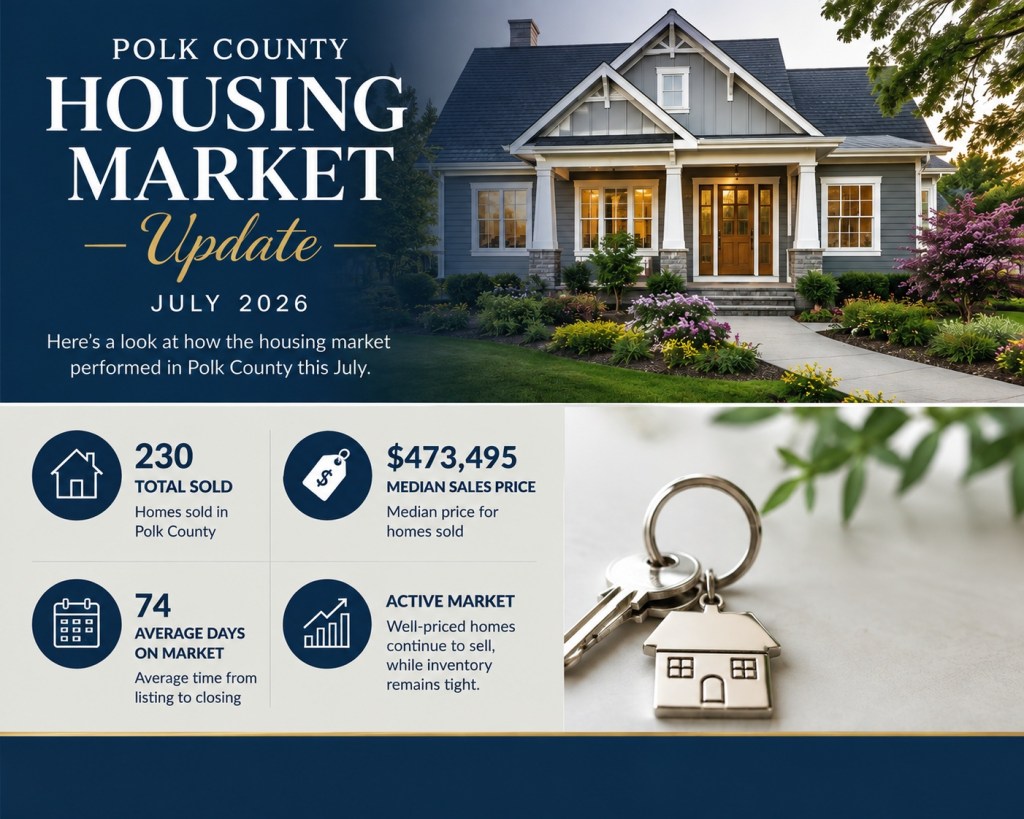
Across Polk County, housing inventory has improved, buyers have more choices, and homes are taking longer to sell. At the same time, desirable properties that are priced appropriately and are presented well draw a lot of attention. On average, a home in Polk County spends an average of 49 days on the market before closing at approximately asking price.
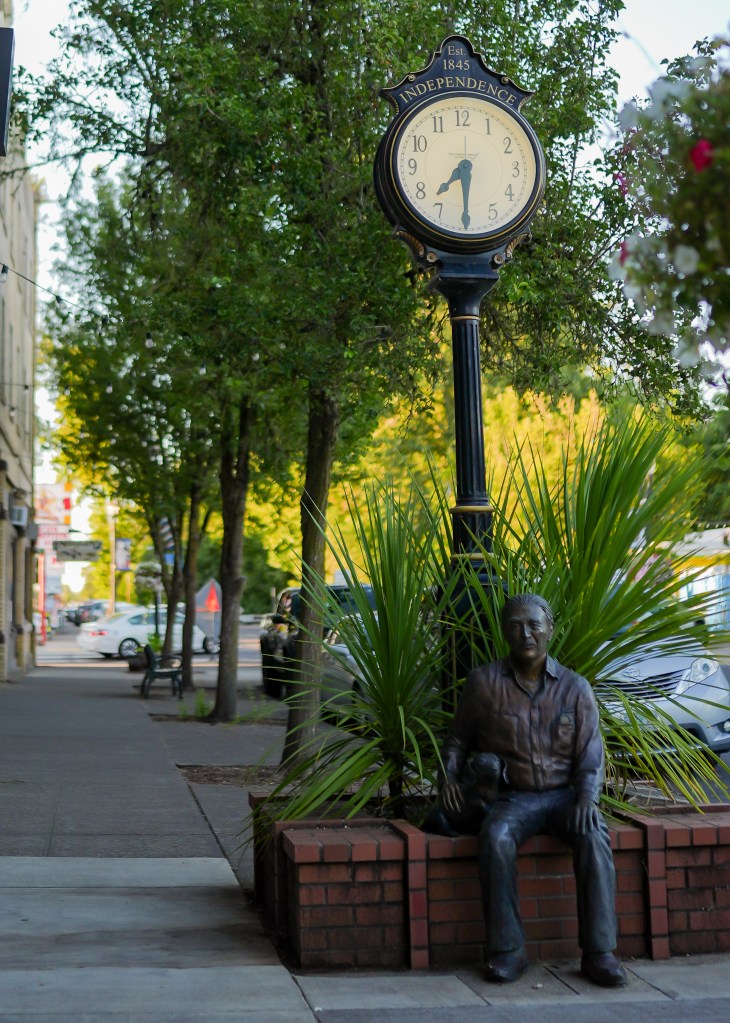
For Independence homeowners and prospective buyers, the shift in the market means the strategies that worked during the frenzied days of 2021 through 2023 may not be as successful today. While Polk County provides the larger picture, real estate is ultimately local, and Independence has characteristics that distinguish it from surrounding communities. The revitalization of downtown Independence, access to the Willamette River and Riverview Park, community events and the walkability of neighborhoods surrounding downtown have helped make Independence attractive to buyers looking for small-town living.
During the extreme seller’s markets of a few years ago, low home inventory helped create the bidding wars and rapidly increasing prices. A more normal supply of homes like today’s market gives buyers time to compare properties and make thoughtful decisions.
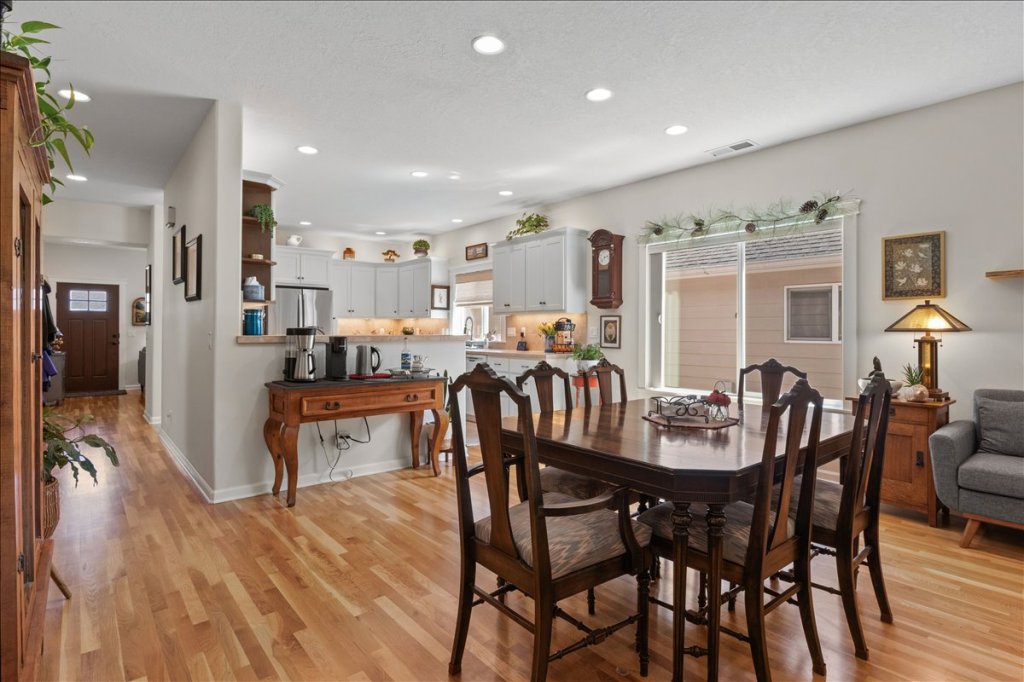
For sellers, the increased competition means their home needs to stand out. Here is where good presentation can make all the difference.
Elsewhere I the county, Dallas remains the largest and most active residential market with 75 homes for sale with a medium range of $430,000.
Monmouth continues to benefit from Western Oregon University and its proximity to Salem. Those factors help create demand from first-time buyers, commuters, university employees and investors.
Perhaps the biggest difference between today’s market and the pandemic-era market is the return of negotiation. A few years ago, buyers frequently felt pressured to make decisions quickly, lest a better offer trump their’s. Today’s buyer often has more breathing room, and now negotiations involving inspections, repairs, seller-paid closing costs and mortgage-rate buydowns have become more common.
Since the purchase price is only one component of buying a home. The return to more normal negotiating benefits first time buyers. Closing costs, needed repairs and financing expenses can affect a home’s true affordability. With sellers more willing to share some of these costs, buyers have flexibility they lacked during the seller’s market boom years.
At the same time, buyers have become more selective. Properties that are professionally photographed, properly prepared, effectively marketed and strategically priced receive the most attention, especially during the home’s first weeks on the market. An unrealistic asking price can waste that initial exposure. After a property sits for awhile, or goes through one or more price reductions, buyers wonder why it has not sold and it can make them leery of it.
For Independence sellers, the immediate neighborhood and comparable sales is particularly important. A historic home near downtown, a newer home in a subdivision and a property on acreage outside the central part of town may all behave differently even though they share an Independence mailing address.
Of course, one of the biggest factors in every housing market remains the current mortgage rates. At the end of July, the Federal Reserve held its benchmark policy rate steady, which means 30 year mortgages will continue to run around 6.58-6.70%. The decision was a split one, with several members of the Reserve wanting to raise interest rates to combat inflation.
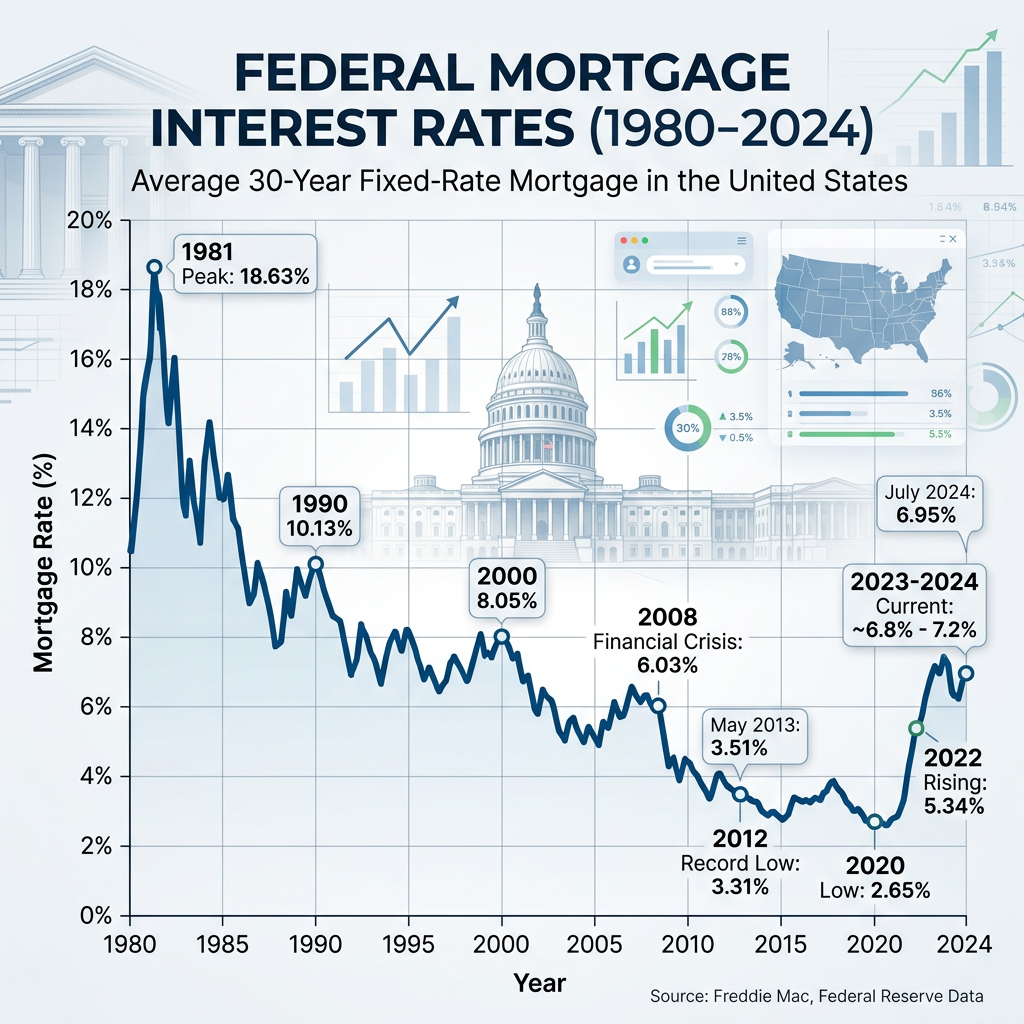
Locally, this impacts our market a great deal. Buyers generally shop based on the monthly payment they can afford, not just the purchase price. A change in rates affects purchasing power even when home prices remain steady. Higher borrowing costs have already caused some prospective buyers nationally to delay purchases or become more selective, contributing to softer mortgage application activity.
For an Independence buyer waiting for rates to drop, there is another factor to consider. Today’s negotiating opportunities could vanish if rates fall far enough to bring those sidelined buyers back into the market. With the uncertainty over energy prices, the crisis in the Persian Gulf and the war in Europe, there is a real chance that rates will go up in the months to come, making any purchase more expensive to finance. No one can reliably predict where mortgage rates will go in today’s chaotic world.
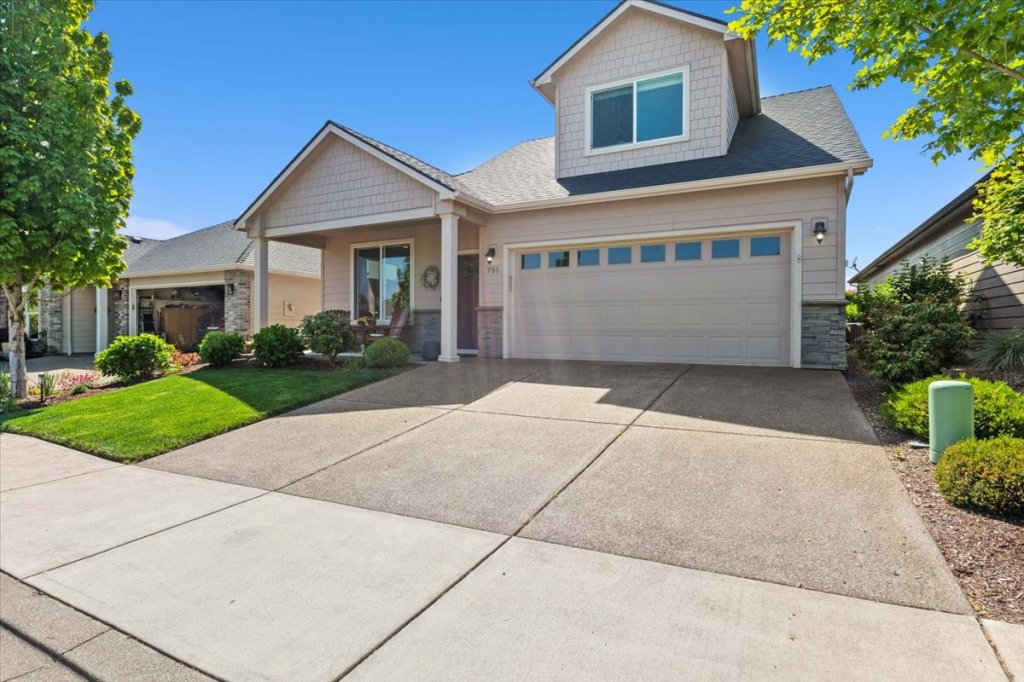
Meanwhile, we’re likely to see continued stability in the Polk County market through the rest of 2026. Independence, Monmouth and Dallas retain key advantages: small-community quality of life, affordability compared with nearby markets, plus good access to regional employment centers like Salem and Corvallis.
Independence adds another element: a community identity centered around its downtown and riverfront. People do not purchase houses based entirely on square footage and interest rates. They also choose communities. Parks, schools, restaurants, local businesses, local events, walkability and public spaces all contribute to whether someone can imagine building a life in a particular town.
Independence has invested considerable energy in creating that sense of place, and that helps distinguish the community in the broader Polk County housing market.
It is easy to describe housing markets as either “good” or “bad,” but those labels rarely tell the entire story. The current market may actually be healthier for more participants. Buyers have flexibility and greater negotiating ability. Sellers can still achieve successful sales with realistc expectations and stronger preparation. Homeowners are seeing a market that is behaving more traditionally rather than one driven by the extraordinary pandemic-era conditions. Opportunities abound for both buyers and sellers, and finding the right home, instead of being forced to grab whatever is available, is one of the great benefits of this more stable market.



 The Indy Herald & Globe
Leave a comment