
Op/Ed By Marici Reid
It is contract negotiating season for Central School District’s teachers and classified employees. Employees such as administrative assistants, maintenance workers, janitors, instructional assistants, and bus drivers fall into the Classified group.

Starting in 2011 and for a decade or so, I was honored to be a school bus driver for Central School District. I took the job as a way to contribute to the family without sacrificing time with my two school-aged children since it gave me most evenings and weekends and all summer off.
Prior to driving bus, I worked in the private sector in Silicon Valley as an engineer. Bluntly, many of my coworkers were focused on money. I remember one occasion in the ladies’ restroom when I ran into someone from the business side of the company. She was standing at the counter in her suit and stiletto heels, printouts in hand, gloating over her stock portfolio gains like Gollum holding the ring.
When we moved to Independence I began driving busses for Central 13J, I found myself in a different universe of employment. I had never before been around so many people for whom their first priority was the safety and well-being of their bus children, not money.
Bus drivers come from all different backgrounds and drive for different reasons. I worked with people who had retired from teaching, engineering, the trades; homemakers, many with children or grandchildren enrolled in Central; caregivers for other members of their families; young and old; people who were raised in Independence or Monmouth, as well as those from far away. There was even a Ph.D.
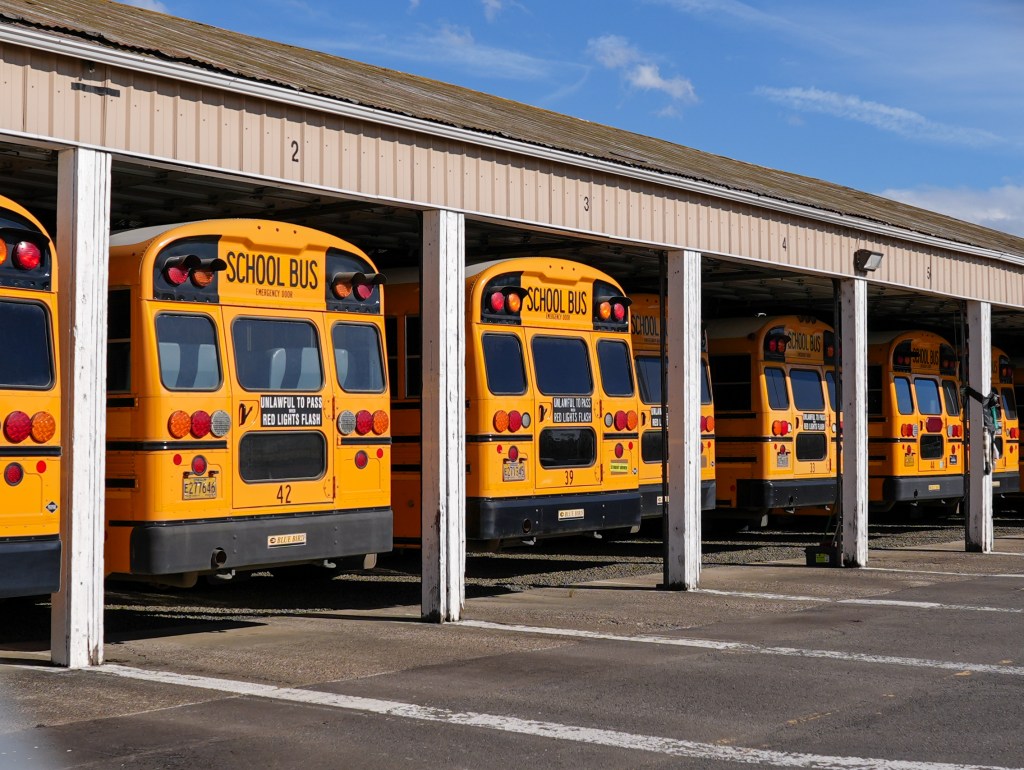
We all had our commercial drivers licenses, which meant that if we were ticketed driving our personal vehicles on our own time, we would incur higher penalties. We were also subject to random drug testing. We were committed to our profession in a way that affected our personal lives year-round.
The drivers I worked with had the warmest and biggest hearts. Their highest concern was the children in their care. Some of us referred to the children on our routes as our “bus babies” since we felt that sense of care and nurturing for our little riders.
On more than one occasion I heard district administrators say that bus drivers are important because they are the first person to greet the child in the morning, and the last to see them in the afternoon.
My take on the actual importance of a bus driver (besides driving a large, specialized vehicle) is that they become a safe adult who cares for a child in an unstructured environment that allows a natural kind of relationship to develop over the course of years. Sometimes we drove the same child for most of that their school career. The connection and continuity between the drivers and the children can be the longest they have with any school employee.
That connection matters, the trust that develops between a driver and a student sometimes offers the child a safe place to communicate. I sadly had to exercise my mandatory reporter obligations twice because of concerning things I was told by a student regarding their living situation at home. Bus drivers help keep their kids safe long after they’ve exited the bus for the day.
In spite of this, the pay bus drivers earn is not a living wage. A starting driver makes These dedicated, conscientious folks are responsible for the lives of up to 80 children at a time. Yet, starting drivers make barely $25,000 a year, while senior drivers earn about $35,000. Oregon’s poverty line for a family of four is now slightly more than $31,000.
According to Salary.com, the average school bus driver salary in Oregon is just over $39,000 a year. Central 13J is not offering competitive wages.
Some say that people are paid according to how much responsibility they have, but this would be a glaring exception to that rule. As an interesting data point, when I went to work for a regional airline, my jet held exactly the same number of passengers as a large school bus, but my starting pay was almost five times as much as what I earned at Central 13J–with better benefits.
New contract negotiations between the classified employee union and Central 13J began earlier this summer. They have not gone well. The current offer of a 1.9% cost of living adjustment while shifting more healthcare costs to the employee represent a direct erosion of wages at a time when the inflation rate is currently 3.4%.
Every year, our district loses caring and talented people over low pay and frustrating work situations. Classified employees are often unwilling to voice their concerns out of fear of retaliation.
Our district employees are deeply woven into the community as most live in our towns. Treating these employees with respect and paying them a living wage is not an expense, it is an investment in our community. These employees should be treated not as a negotiable line item on a budget, but as the vital part of the district they are.
Unfortunately, contract negotiations are happening at the same time that the City of Independence, the State of Oregon, and the United States are all facing hard fiscal decisions. Yet, education has taken the lowest priority for so long that I think we have become numb to the shrinking class offerings–auto shop for one–and to the fact we have to fundraise to resupply things like athletic and music equipment.

I suspect that Central 13J’s budget is includes some top-heaviness in administrative staff. They are the ones with the least impact per dollar on the actual success of a student or the community.
One day we may be able to fully fund all the public community resources we expect to enjoy as taxpayers. Today might not be not the day but please keep the goal in mind for our collective future: visualize living wages for every school employee who wants a full-time job. Please support your amazing Central School District’s Classified Staff, and also the Teachers, as they start the school year in stalled negotiations without a contract.
Marici Reid flies Boeing 747 cargo aircraft all over the world for a living. She is an engineer, glider pilot and flight instructor as well.

 The Indy Herald & Globe
Leave a comment